Mineral Profile of Jharkhand
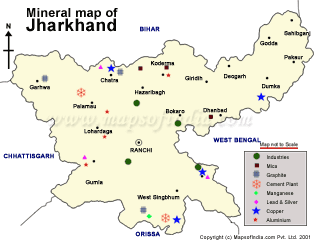
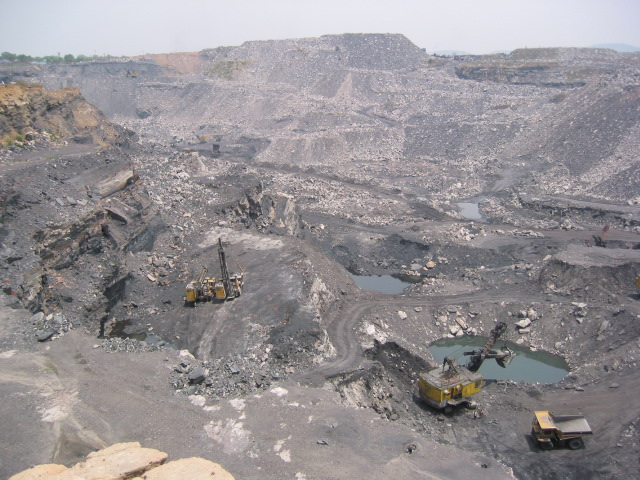
1. Coal (Strategic Energy Mineral)
Jharkhand is among India’s top coal-producing states, supplying fuel to power plants, steel units, sponge iron manufacturers, brick kilns, and MSMEs.
Major Coal Belts
Jharia Coalfield (Dhanbad region)
North & South Karanpura (Ramgarh–Hazaribagh–Chatra belt)
Bokaro Coalfield
Primary Consumers
Thermal power plants
Steel & sponge iron units
Brick kilns and industrial MSMEs
Key Insight:
Coal movement in Jharkhand is heavily monitored. E-auction sourcing ensures GST, royalty, and transit compliance.
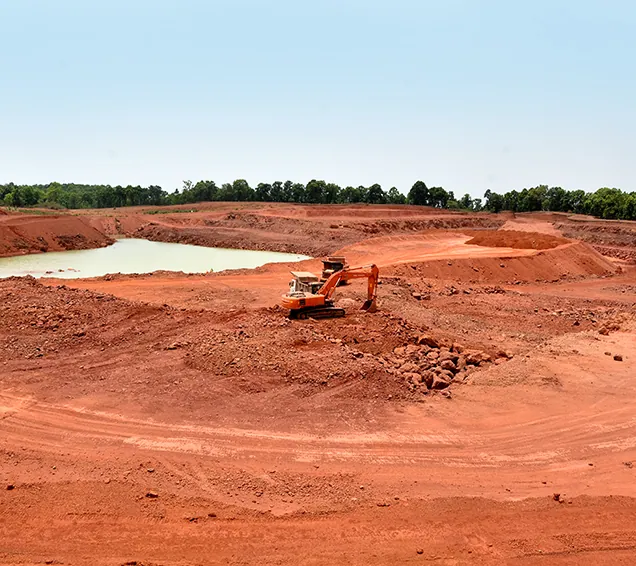
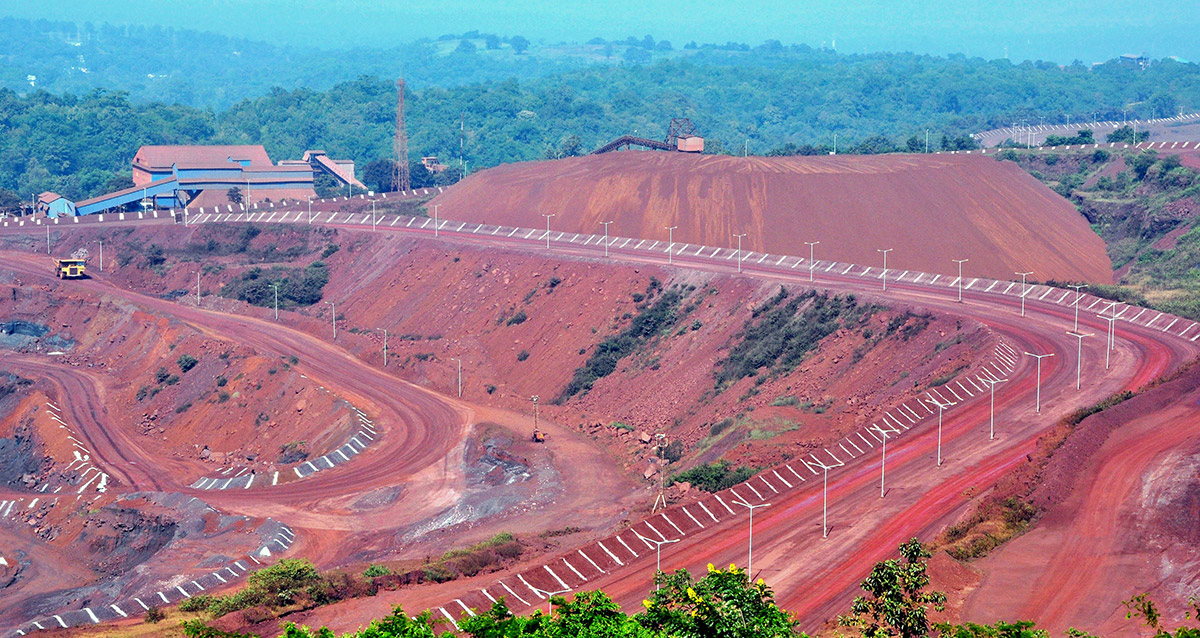
2. Iron Ore (Core Steel Mineral)
Jharkhand hosts significant iron ore reserves, supporting integrated steel plants and secondary steel units across eastern India.
Key Iron Ore Regions
West Singhbhum (Noamundi belt)
Saraikela-Kharsawan region
Usage
Steel plants
Sponge iron units
Pellet manufacturing
Regulatory Sensitivity
Iron ore auctions involve:
Strict end-use conditions
Royalty, DMF & NMET obligations
High scrutiny during transportation
3. Industrial & Minor Minerals
Jharkhand also supplies critical industrial minerals used in cement, metallurgy, construction, and manufacturing.
Key Industrial Minerals
Limestone
Dolomite
Quartz & Quartzite
China clay
Mineral rejects & fines
Key Consuming Sectors
Cement & lime plants
Flux & refractory units
Construction material MSMEs
Commercial Note:
For industrial minerals, logistics cost and grade quality often matter more than bid price.
Mineral Auctions & Legal Sourcing Framework in Jharkhand
Mineral allocation in Jharkhand is governed by:
State mining & mineral concession rules
GST laws
Environmental and transit regulations
To ensure transparency and eliminate discretionary allocation, auctions are conducted digitally—primarily via MSTC Limited and state-authorized systems.
Why e-Auction is Preferred
Transparent price discovery
PSU-backed credibility
Complete digital audit trail
Reduced legal & inspection risk
Who Should Source Minerals in Jharkhand via e-Auction
Steel & sponge iron plants
Power & energy-intensive industries
Cement & construction material units
Brick kilns and MSMEs
Authorized mineral traders & processors
Typical e-Auction Process (Jharkhand Context)
Buyer registration with statutory documents
Auction catalogue review (grade, quantity, location)
Earnest Money Deposit (EMD)
Live online bidding
Sale confirmation & balance payment
Lifting, weighment & transit compliance
Cost Components Buyers Must Evaluate
The final landed cost in Jharkhand includes:
Winning bid value
Royalty
DMF & NMET contribution
GST
Platform/service charges
Loading & handling
Transportation & transit permits
Best Practice:
Always prepare a district-wise landed cost model before bidding..
Compliance Risks in Jharkhand Mineral Sourcing
| Risk Area | Business Impact |
|---|---|
| Informal sourcing | Seizure & penalties |
| Overbidding | Margin erosion |
| Transit non-compliance | Detention & fines |
| Payment delay | EMD forfeiture |
| Documentation gaps | Blacklisting |
Jharkhand is a zero-tolerance state for mineral irregularities—professional handling is essential.
Why Professional Advisory Matters in Jharkhand
Mineral sourcing here is not just commercial—it is regulatory-intensive. Businesses that succeed treat mineral auctions as a structured procurement function, not speculative buying.
Strategic Advantages of Professional Support
Auction eligibility & documentation readiness
Grade & cost-based bid strategy
Compliance mapping (royalty, DMF, GST)
Post-auction execution discipline
Audit-ready records